Photograph: Nick-D / Wikimedia Commons · CC BY-SA 4.0. See image credits.

Love the food you eat
The old site said it is better to love the food you eat than to eat the food you love. That is not a slogan. It is an argument against punitive dieting.
Mara Ellison · 9 April 2026 · 5 min read
The original Energy Field site left a sentence that sounds like a fridge magnet until you live inside it: better to love the food you eat than to eat the food you love. Read quickly, it looks like a trick—deny desire, choose virtue, lose weight by Monday. Read slowly, it is the opposite. It is an argument against eating as punishment and for building meals you actually want to live with. Not chips and chocolate as villains in a cartoon. Not crash diets with before photos. A long, warm contract with your own kitchen.
This essay lives in the food hub next to Absorption over appetite, which asks what the body can use. Here we ask what the heart and habit can sustain—and how that connects to vitality across a week, not a detox weekend.
What the old line is not saying
It is not saying you must never eat the food you love. Birthday cake exists. A snag at the school fundraiser exists. Your grandmother’s curry recipe exists. Love the food you eat does not mean monastic oats forever. It means stopping the cycle where the only foods you “allow” are so dull that the foods you “forbid” become the only source of joy—and then the cycle breaks at 9pm with chocolate and shame.
It is not a weight-loss guarantee dressed as wisdom. Bodies respond to genetics, medication, sleep, movement, grief, and time. Loving your lunch does not automatically shrink a size. It may, over years, stabilise chaotic eating, improve absorption because meals are calmer, and free attention for the rest of life—including family energy when screens and snacks compete at home.
It is not permission to ignore medical nutrition advice when you have diabetes, kidney disease, coeliac disease, or other conditions that require structured eating. Love and care overlap; they do not cancel clinical plans agreed with your team.
Punitive dieting treats appetite as a moral failing. Loving the food you eat treats appetite as a signal to interpret with kindness.
Eat the food you love: the trap
“Eat the food you love” is the commercial version of freedom. Fast food chains, delivery apps, and ultra-processed snacks are engineered for love at first bite—salt, fat, sugar, crunch, melt. None of that is evil in a slice of life. The trap is when only engineered food feels lovable, because plain meals lost their skill and context.
Australian life leans into the trap when:
- Dinner is late and solo, eaten standing, phone in hand.
- Cooking skill never arrived because someone else always catered or because ready meals were cheaper than time.
- Diet culture alternated with binge—clean week, blow-out weekend.
In that pattern, “eating what you love” means eating what advertises relief. Loving what you eat means rebuilding meals that satisfy without needing a logo—often slower, often shared, often cheaper over a month than nightly delivery.
Love the food you eat: the practice
Loving the food you eat is a craft, not a vibe. It looks like:
- Learning five mains you can cook without rage— stir-fry with frozen veg, a dal, a tray bake, a soup, a pasta with tinned tomatoes. Rotate them until hands remember.
- Seasoning properly—salt, acid, herbs. Bland “health food” sends you back to chips.
- Plating for yourself even when alone. A napkin, a fork, a chair. Absorption improves when the body knows it is eating; see the companion essay on that quiet mechanics.
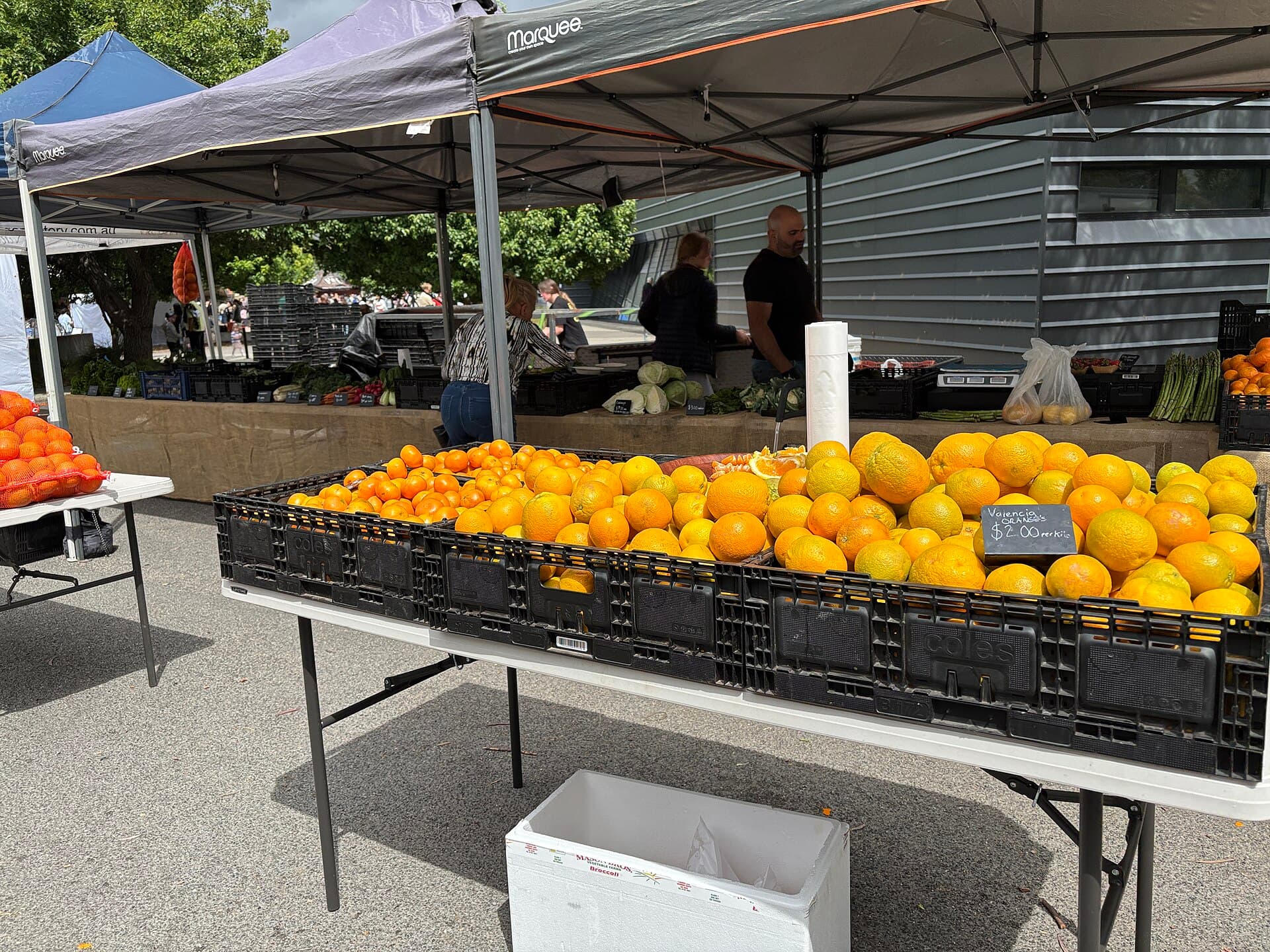
- Shopping where pleasure is visible—a market stall, a greengrocer, a neighbour’s lemon tree. Colour feeds anticipation; anticipation feeds satisfaction.
Love is not only flavour. It is fit—food that matches your teeth, your culture, your shift schedule, your budget. A loved meal at 6pm for a day worker may be a loved meal at midnight for a nurse on nights. Timing is part of love.
Family food culture without a courtroom
Families inherit plates: lamb on Sunday, fish on Friday, rice at every meal, “no dessert until greens”. Children watch who gets seconds and who gets comments. Turning the table into a courtroom—good foods, bad foods, body commentary—teaches kids to eat the food they love in secret and perform virtue in public.
A kinder move is one meal upgraded together: spaghetti with half the pasta swapped for lentils, still saucy; sausages with a salad that actually tastes of olive oil and lemon; takeaway night without lectures, but with water on the table and sleep protected after.
If your culture centres rich celebration foods, love does not mean abandoning them. It means frequency and portion you can inhabit—feast days feasted, Tuesday a lighter rhythm that still respects flavour. Identity by Monday is a diet industry fantasy. Identity over a decade is how Mediterranean and many traditional patterns actually work.
Pleasure and nourishment on the same plate
Energy Field’s third key was Food—not chips and chocolate as identity, not supplement funnels, but nourishment that fuels vitality. Pleasure is not the enemy of nourishment; neglect is. A salad of leaves alone is not morally superior to a grain bowl with avocado, chickpeas, and dressing you enjoy.
Ask of a meal you could love:
- Will I still feel steady in two hours?
- Did protein, fibre, or fat show up—not as maths, as substance?
- Would I happily eat a variant of this again Thursday?
If yes, you are near the old site’s intent. If no—if every “healthy” meal leaves you hunting biscuits—you have not loved the food yet; you have white-knuckled it.
When “love” sounds like excuse
Honesty matters. “I love this” can mask alcohol overuse, nightly ultra-processed default, or fear of cooking. Love without reflection becomes the same trap with better language.
A practical test: Would you serve this meal to a friend you care for? Not a critic—a friend. If the answer is “they deserve better”, you deserve better too, not guilt, but a small upgrade next shop.
Talk to a GP or psychologist when food and guilt dominate every day, when vomiting or laxative use appears, or when children stop growing or menstruating alongside restrictive rules. Love is not a substitute for eating disorder treatment.
Connection to vitality
Vitality is tomorrow’s energy, not tonight’s virtue. Meals you love are meals you repeat; repetition is how Australian adults actually eat well. Crash diets fail because nobody loves living inside them for a year.
Walk the long path: market fruit that smells like summer, bread from a bakery you trust, a thermos soup at work, fish grilled simply by someone who knows your name at the counter. Connect that plate to sleep, light, movement in the vitality hub—food alone does not carry a life, but hated food drains one.
The sentence, kept
Better to love the food you eat than to eat the food you love—the slogan on the old site survives because Australians still confuse restraint with self-hatred and indulgence with freedom. The third way is a table you want to return to: warm, practical, yours.
You may still eat the food you love sometimes—of course. Build the rest of the week from meals that do not ask you to choose between joy and energy. That is not a fridge magnet. It is how you stay fed without staying at war.
Questions readers send the desk
- Is this permission to eat anything?
- It is permission to stop treating dinner as a courtroom. Pleasure and nourishment can sit on the same plate.
- What about family food culture?
- Start with one meal you already like and make it kinder, not with a new identity by Monday.