Photograph: Shixart1985 / Wikimedia Commons · CC BY 2.0. See image credits.

Absorption over appetite
The original Energy Field line still holds: it is not only what you eat, it is what the body can use. A quieter way to look at breakfast.
James Whitaker · 25 February 2026 · 6 min read
The original Energy Field site had a line that sounded almost too simple for a country obsessed with meal plans and protein powders: it is not only what you eat, it is what the body can use. Appetite asks whether you want food. Absorption asks whether your gut, blood, and cells can actually employ what arrives on the plate. That distinction still matters at an ordinary kitchen table in Footscray or Fremantle, more than any new superfood hashtag.
This essay is not a lecture on clean eating. It is a practical way to read breakfast—and the rest of the day—without turning every mouthful into a scoreboard. The food hub holds more on timing, fibre, and pleasure; here we stay with the quieter question of usefulness.
Appetite is loud; absorption is quiet
Appetite has marketing on its side. It arrives with smell, habit, stress, and the clock on the office microwave. You can want a second coffee and a pastry at 10am because the morning was thin on sleep, not because your body lacks fuel. Appetite is honest about desire. It is not always honest about need.
Absorption is the work that happens after swallowing: stomach acid and enzymes breaking food down, the small intestine hosting the long exchange of nutrients into blood, the liver sorting and storing, muscles and brain drawing on what arrived hours earlier. When that chain runs smoothly, a modest meal can carry you further than a heroic one eaten in a rush. When it stumbles—because of stress, medication, dental pain, or simply eating too fast—the same calories can leave you foggy and hungry again by mid-morning.
You can have a full appetite and a half-empty tank. The gap is not weakness of character; it is often mechanics, timing, and calm.
The old site was not dismissing pleasure. It was correcting a bias: Australian wellness culture loves to count grams and colours while ignoring whether the body received them. A green smoothie gulped while locking the car is not the same meal as the same smoothie drunk sitting down, chewed where chewing applies, with a glass of water already in the system.
Breakfast as a field test, not a religion
Breakfast carries more moral weight in this country than it deserves. Farmers’ markets, café culture, and school-run chaos all collide before nine. Some people wake hungry; others do not feel like eating until ten. Both patterns can be healthy if the rest of the day balances out.
If you can eat in the morning, absorption favours a few boring habits:
- Something you will actually finish. A perfect overnight oats recipe that moulders in the fridge helps nobody.
- Protein and fibre together more often than toast alone—eggs on grainy bread, yoghurt with fruit and nuts, leftover dal on rice. Not because a influencer said so, but because that pairing steadies blood sugar for many people.
- Warmth or chew where it suits you. Some stomachs prefer cooked oats to raw muesli; some prefer savoury to sweet. Notice, do not preach.
If you cannot face breakfast, the original Energy Field spirit still applies: find the first window where food will be used, not fought. That might be mid-morning fruit and cheese at your desk, or a proper lunch at noon because dinner ran late again. Skipping breakfast to punish last night’s pizza is absorption’s enemy—it trades one guilt for another slump.
See Love the food you eat for why punitive skipping backfires. See About Energy Field for how this journal treats evidence and limits.
Chewing, calm, and the nervous system
Digestion is partly under conscious control and partly not. The parasympathetic state—sometimes called rest-and-digest—is the one where salivary enzymes flow and the stomach prepares acid. Eating while arguing about school pickup, or standing at the bench scrolling headlines, keeps the body nearer fight-or-flight. Food still goes down; absorption often suffers.
You do not need a meditation app to fix this. You need a minute of stillness that is believable in your life: sit, breathe once, put the fork down between bites for one meal a day and see if fullness arrives earlier. Chew starchy foods longer than you think necessary. Dentures, sensitive teeth, or jaw pain belong in this picture—if chewing hurts, softer textures are not “baby food”; they are how you keep nutrients available.
Stress also shunts blood away from the gut during acute spikes. Chronic stress is murkier but familiar: the tight belly, the loose bowel, the “I ate but I am still empty” feeling. Food cannot single-handedly fix a burnt-out quarter, but eating in a calmer window is cheaper than a third espresso.
Water is not a separate topic
The original site linked food and water for a reason. Mild dehydration thickens saliva, slows gastric emptying for some people, and masquerades as hunger. A glass of water before or with breakfast is not a detox ritual; it is plumbing. In hot Australian summers, especially after a dry night with the air-conditioner running, the first drink may matter more than the first bite.
The water hub goes deeper on heat and habit. For absorption, the plain version is enough: drink regularly through the morning, not only when headache arrives. Coffee counts toward fluid for most healthy adults, despite the old myth; it also stimulates the gut—another reason not to use it as a meal replacement.
What probiotics promise—and what food delivers first
Probiotics sit in the middle of the absorption conversation because they speak to the gut microbiome—the vast bacterial community that helps break fibre, synthesise some vitamins, and train immune responses. Supermarket fridges now advertise strains like fashion labels. Some people benefit from specific products after antibiotics or with diagnosed conditions; that path runs through a pharmacist or GP, not through a lifestyle blog.
For most readers, food-first ferments are the sensible experiment: plain yoghurt with live cultures, miso in soup, sauerkraut as a side—not as a personality, as a condiment. They are not magic. They do not erase a diet built on ultra-processed snacks. They add diversity slowly, which is how guts prefer change.
If you open a capsule every morning while lunch is hot chips alone, you are optimising the wrong layer. Absorption over appetite means asking whether the whole plate supports the system, not whether one pill absolves the rest.
Medications, age, and when to involve a GP
Absorption changes across a life. Iron needs differ; stomach acid often thins with age; metformin, PPIs, and other common medications alter B12 or magnesium handling. Unexplained fatigue, persistent diarrhoea, black stools, or weight loss without trying are not puzzles for more kombucha. They are GP territory.
Coeliac disease, inflammatory bowel disease, and untreated coeliac-adjacent gluten sensitivity (properly diagnosed, not self-labelled) directly steal usefulness from food. So do untreated sleep apnoea and heavy alcohol—topics for other hubs, but they belong in an honest food essay because they show up at breakfast feeling like “I cannot eat normally”.
This journal does not diagnose. It does suggest thresholds: if you have changed how you eat three times this year and still feel wrung out, the next conversation is clinical, not commercial.
A quieter plate
Absorption over appetite is a shift in attention. Instead of asking “Did I crave it?” ask “Did my body get something from it?” Sometimes the answer is yes—a shared bacon-and-egg roll after ocean swimming, a dal you simmered slowly, fruit from a neighbour’s tree. Sometimes the answer is “not much”—the desk lunch inhaled between meetings—and the fix is schedule, not shame.
You do not need a perfect breakfast to honour the old Energy Field line. You need meals, over weeks, that your gut can employ: enough protein, enough fibre, enough water, enough calm to let rest-and-digest do its work. Appetite will still shout about chips and chocolate. Let it. Keep a parallel question running, softly: what can I use today?
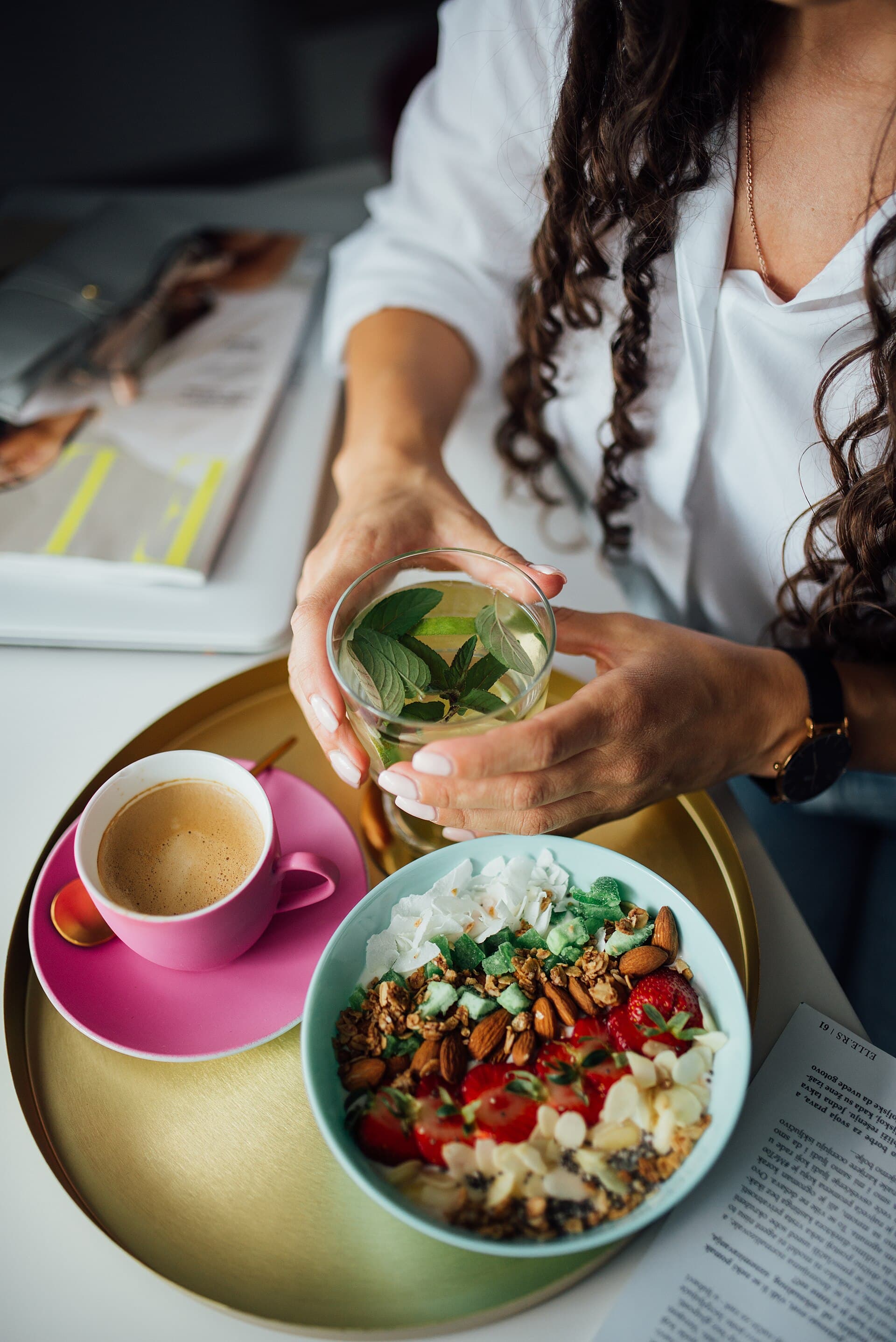
That question has fed Australians long before tracking apps existed. It can feed you tomorrow morning, tray on the table, magazine optional, daylight enough.
Questions readers send the desk
- Do I need a probiotic every morning?
- Food first. A supplement is a conversation with a pharmacist or GP if you have a reason, not a personality.
- What if I cannot face breakfast?
- Start with something you can absorb and will actually eat. A war with toast at 6.30am is not a moral victory.