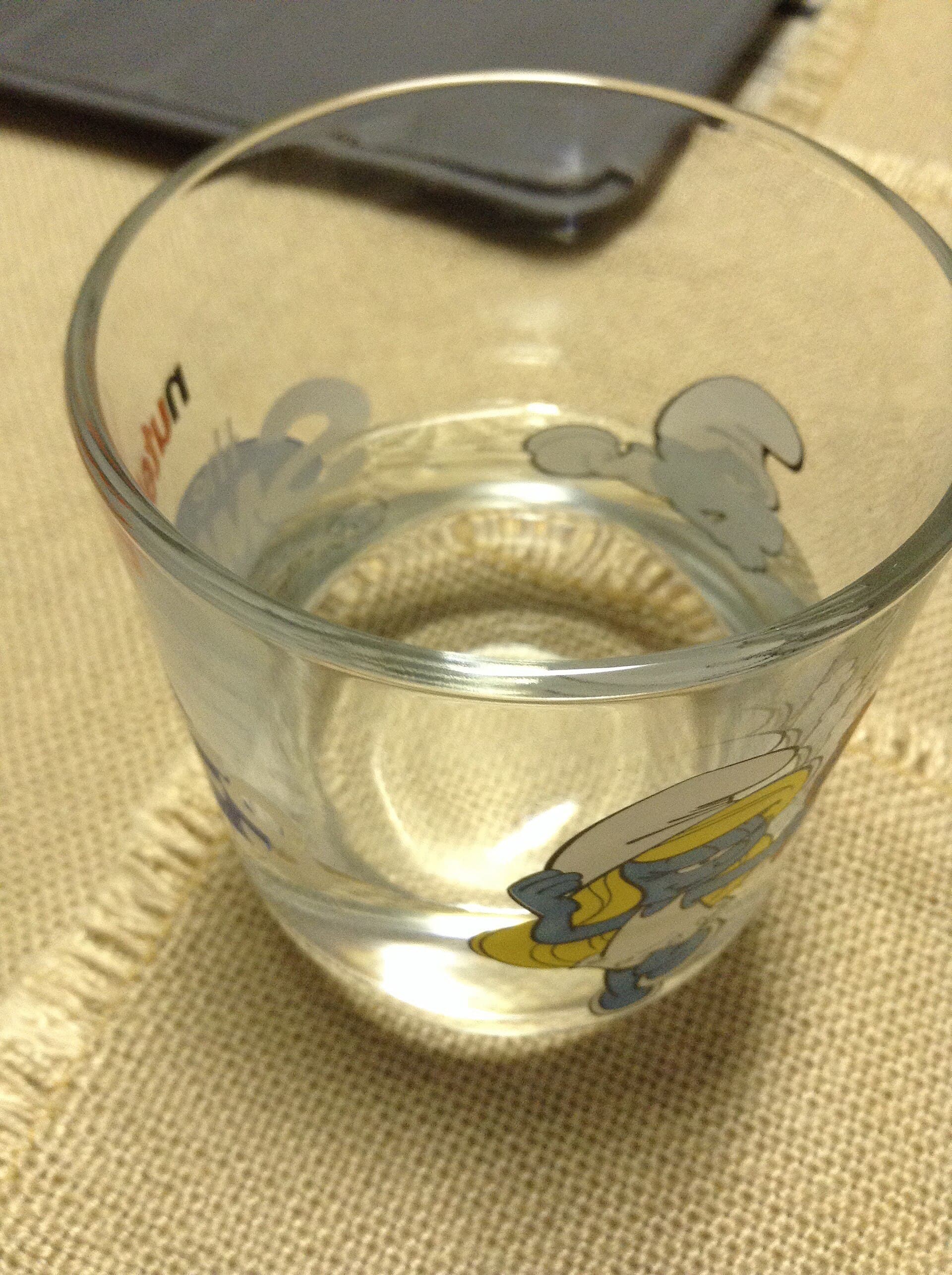
Photograph: deavmi / Wikimedia Commons · CC BY-SA 4.0. See image credits.

Drinking when you are already tired
Dehydration is not the only reason a Tuesday feels grey, but it is the one that still hides in plain sight in air-conditioned rooms.
James Whitaker · 20 May 2026 · 5 min read
Fatigue is a crowd. Sleep debt shouts; stress hums; iron deficiency whispers in some people; grief sits heavy without a name. Dehydration joins the crowd quietly—especially in places that do not feel hot. You can feel wrung out at 2pm in a chilled office with a full inbox and an empty water bottle, and blame the meeting that should have been an email. Sometimes you are right. Sometimes the cheapest experiment is a glass of water before the third coffee.
This essay sits in the water hub and talks to sleep without pretending hydration fixes insomnia. It nods to What live water meant, and what Australian tap water actually is—the old second key that said humans are mostly water, so treat the glass as part of the day. Lunch timing and the afternoon crash have their own essay; see Afternoon crash and lunch timing for the food side of the same grey Tuesday.
Thirst arrives late in the modern room
Evolution assumed you would notice dry mouth out bush, not that you would stare at a screen in 21-degree dry air for three hours. Thirst lags behind mild fluid loss in some settings. By the time you want a drink, concentration may already have slipped—a small effect in studies, easy to overclaim, still plausible enough that a refill is worth trying before you reorganise your entire career.
Rules of thumb without heroics:
- A glass with meals—when you already sit down.
- Refill when you refill coffee—pair habits, do not replace water with caffeine.
- Bottle in the bag you carry daily, not the gym bag that lives in the boot empty.
The FAQ on this page says it plainly: waiting for parched mouth alone is a late strategy in air-conditioned work. A four-litre challenge can make people miserable and bathroom-bound; regular modest intake beats sporadic flooding.
Air-conditioning, planes, and invisible loss
Cool air feels non-thirsty. Skin and breath still lose moisture. Long flights compound dryness and sitting still; offices compound dryness and forgetting. Neither environment prints sweat on your shirt, so the body’s cue is weak.
Humid tropical offices are the opposite problem—sweat sticks, electrolytes matter on long hot shifts—but the tired Tuesday in Brisbane tower air is still often under-drinking, not exotic pathology. Link heat and salt to the summer essay in the water hub when the week earns it; link bedroom heat to sleep when nights never cool.
Coffee, tea, and the counting argument
Coffee and tea are mostly water. For most healthy adults, moderate caffeine does not “dehydrate you” in the cartoon sense that cancels the cup. It is still a poor sole source of fluid if you drink espresso all day and never eat soup. Late caffeine steals sleep; sleep loss masquerades as dehydration and vice versa.
Practical split: enjoy your flat white; also drink plain water across the morning. Herbal tea counts as fluid if it helps boredom. Energy drinks are a different category—sugar, caffeine storms, not a hydration plan.
When tired is not the water
If eight hours of sleep still leaves you flattened for months, if stairs wind you when they did not, if mood crashes regardless of refills—see a clinician. Water fixes water problems; it does not replace thyroid checks, anaemia tests, or treatment for depression. This journal avoids medical advice dressed as wellness; naming limits is part of that.
Dehydration overlaps symptoms with other ills—headache, irritability, light-headedness—so a glass of water is a reasonable first experiment, not a diagnostic endpoint.
Fatigue is a crowd. Let water speak early so you can hear who else is still talking.
Afternoon crash: water before reorganising lunch
The post-lunch dip is real—circadian rhythm, meal size, blood sugar swings, meeting stack. People reach for sugar or another coffee before they reach for a tap. Try water fifteen minutes before the 3pm meeting for a week; notice if anything shifts. If not, read Afternoon crash and lunch timing and adjust food timing and light; return to sleep debt if nights are short.
Hydration nudges work best paired with movement—walk to the bubbler downstairs, not email a colleague for a status update you could have fetched with a glass in hand.
Age, medications, and quieter cues
Older adults may feel thirst less sharply; kidney and heart medications change fluid rules clinicians should set. Pregnancy and breastfeeding increase needs—again, medical lane for specifics. Kids forget; elders forget; carers put cups where hands already are.
We do not dose diuretics or heart failure fluid limits here. We note that tired plus prescribed water restriction is a GP conversation, not a journal hack.
Shift work and FIFO fog
Night shifts invert cues—coffee at 2am, sleep at noon, body unconvinced. Water still matters for alertness and kidney comfort, but rhythm repair lives mainly in sleep scheduling. FIFO camps with urn coffee and dry mess halls are famous for headache clusters; carry a bottle to the crib, not only to the pit. Shift-specific sleep debt is its own literature in the sleep hub.
Plain water boredom and flavour traps
If tap taste puts you off, chill it, slice lemon if that helps, or fix the fixture that tastes metallic mornings only. Switching entirely to soft drink because water bores you trades one problem for another—sugar crash joins the fatigue crowd.
Sparkling water is still water if your teeth tolerate acidity from carbonation; read labels on flavoured versions for sugar.
Meetings, masks, and talking all day
Teachers, call-centre staff, and anyone who speaks for hours lose moisture through breath as well as skin. Masks during illness seasons do not remove the need to sip between sessions; they can make mouth dryness more noticeable. Keep a lidded cup where policy allows—hydration breaks are not slacking if they prevent the 4pm headache that slows everyone down.
A week of small defaults
Try seven days without measuring litres:
- Glass at breakfast, lunch, dinner.
- Refill bottle once mid-morning, once mid-afternoon.
- Note energy at 3pm in one sentence on your phone—not for guilt, for pattern.
If nothing changes, water was probably not the villain. If something shifts, you bought clarity cheap.
Travel and timezone tiredness
Jet lag and long drives blur cues. You sleep badly, drink coffee at odd hours, and forget the bottle in the hire car footwell. On flights, accept the small cup from the trolley and refill at the airside fountain before boarding—not because airline water is magic, but because dry cabin air plus fatigue stacks. On road trips, stop with the petrol for a stretch and a drink even when you do not feel thirsty yet.
Live water for tired adults
The predecessor site’s Live Water key was never about fancy bottles. It was about material honesty—you are mostly water, so act like the day runs on it. Australian tap, tank, or filtered for taste: the source matters less than the habit when fatigue hides in plain sight.
Drink before you are heroic about productivity. Sleep when the bedroom allows—see the sleep hub. Eat lunch that does not flatten you. Let the glass on the desk be the simplest thing you do for a grey Tuesday, and drop it when evidence says the crowd has other speakers.
Questions readers send the desk
- Can I wait until I am thirsty?
- Thirst is useful and late. In dry offices and on planes it is later still. A glass with meals is a better default than a heroic 4-litre challenge.
- Does coffee count?
- It is still fluid. It is not a licence to skip water, and late caffeine still belongs in the sleep conversation.