Photograph: Ryan Snyder / Wikimedia Commons · CC BY 2.0. See image credits.

Workplace energy, fluorescent light and the 2pm meeting
Open-plan rooms, hot desks and a calendar that eats the walk you were going to take. How an ordinary Australian workplace spends a nervous system.
Tom Reilly · 8 February 2026 · 6 min read
The 2pm meeting is rarely about the agenda. By then the morning’s focus has been spent in back-to-back calls, the fluorescent ceiling has been humming since eight, and lunch was either skipped, scoffed at the desk, or a hot chip trade in the food court. You sit in a glass box with twelve other people, laptops open, and wonder why your body feels like it is running on a dimmer switch. That is not weakness. It is physiology meeting an office designed for lease efficiency, not for a human nervous system.
This essay belongs in the vitality hub because most Australians experience “energy” at work long before they optimise a bedroom. Open-plan floors, hot desks, and calendars that treat walking as dead time are national infrastructure. So is the afternoon crash—see Afternoon crash and lunch timing for the meal side. Here we look at light, meetings, and the small sovereignties you still own when you cannot redesign the building.
How the office spends your alertness
Your brain expects bright days and darker evenings. A typical CBD floor inverts the story: fixed overhead light from arrival to departure, windows you cannot open, and screens that add their own noon at midnight when you take work home. Circadian rhythm does not stop because HR bought ergonomic chairs. It misaligns quietly until you think you are “not a morning person” when the truth is you never saw morning.
Morning outdoor light steadies the clock. Many workers go from bed to shower to train to lift without five minutes of sky. By 10am they are running on coffee and inbox adrenaline. That works until it does not—usually right when someone schedules a “quick sync” after lunch.
The Australian circadian field guide names latitude and dinner time; the office adds artificial noon forever. Melbourne grey still delivers photons your desk lamp fakes badly. A ten-minute walk without earbuds before you sit down again is not a wellness retreat. It is maintenance.
You are not lazy at 2pm. You are a mammal in a box that has been telling your clock it is still midday since breakfast.
Fluorescent light and the tired eye
Overhead fluorescents flicker in ways the conscious brain ignores and the visual system does not. Add low-grade glare on screens, reflective partitions, and the white bounce of an open plan, and you get visual fatigue that feels like whole-body fatigue. Eyes strain; shoulders climb; breath shallows. None of that shows on the project plan.
What helps within ugly ceilings:
- Break the horizon. Look out a window at distance every hour if you can. If you cannot, walk to the window end of the floor on a pretence that still counts.
- Lower conflict glare. Matte screen filters, adjusting laptop angle, and not sitting with your back to a window without blinds—these are engineering fixes, not personality.
- Step outside at lunch even when overcast. Side light on a footpath beats another hour under the same tubes.
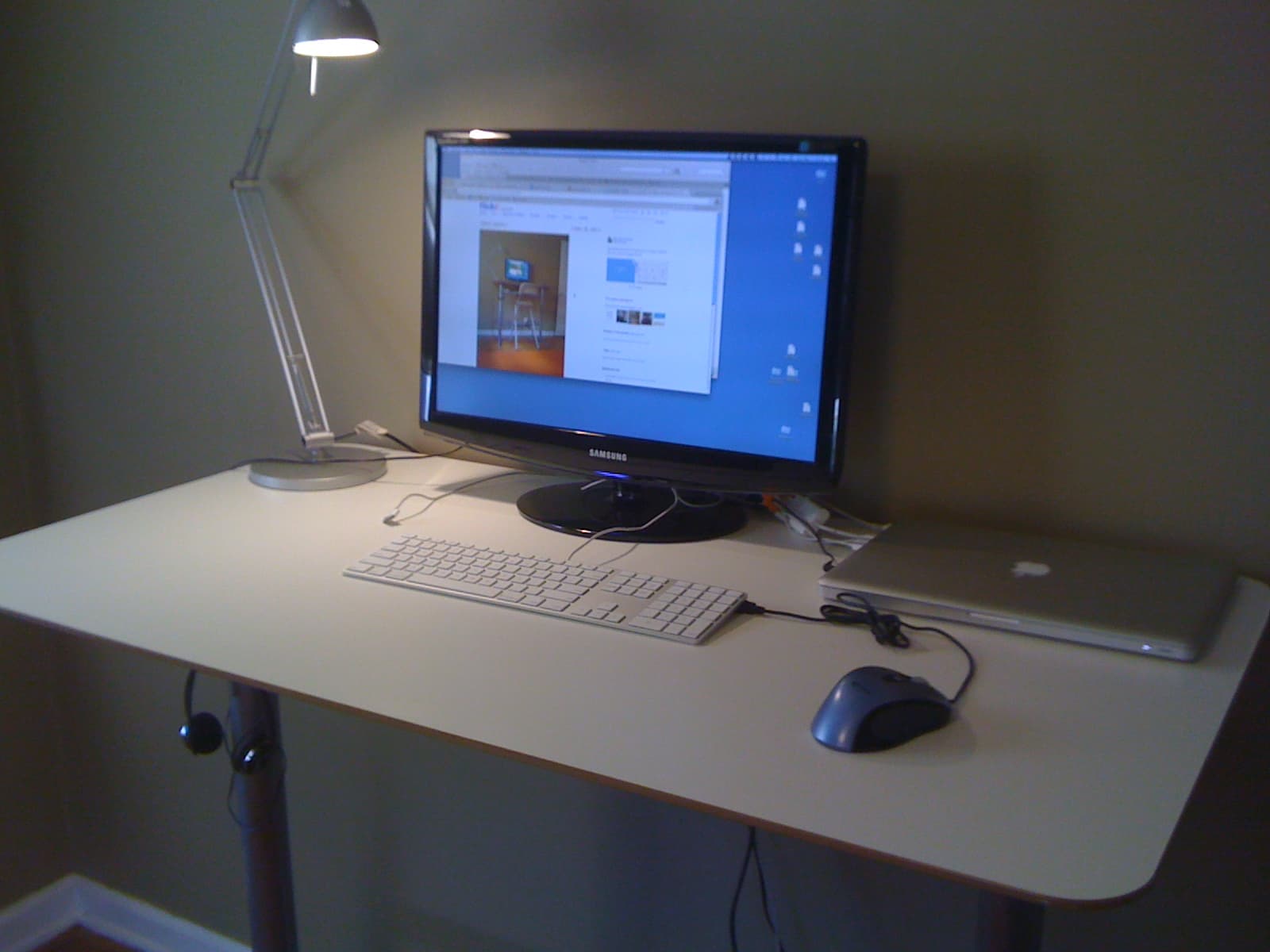
Standing desks? They are a tool, not a salvation. Standing all day on a hard floor trades one problem for another. Alternate sit and stand; move for phone calls; take stairs when knees allow. The FAQ on this page says it plainly: the meeting load, the light, and the lunch still decide the afternoon.
The meeting calendar as an energy tax
Meetings multiply because they feel like work. Often they are coordination theatre—status updates that could be three lines in a doc, workshops without decisions, and the classic “quick chat” that eats forty-five minutes plus context-switch recovery.
Each swap from deep work to a call costs minutes of refocus you never invoice. Stack six before lunch and you have spent your best cognitive hours performing availability. Stack three after lunch and you guarantee the slump.
Practical boundaries that survive real jobs:
- Default shorter. Twenty-five and fifty-minute slots leave breathing room and reduce back-to-back chains.
- Decline with a sentence. “I can read the notes; count me out unless we need a decision on X.”
- Protect one movement block. Even twenty minutes to walk around the block is a treaty with your afternoon self.
- Email the 4.30. If it could be async, make it async. Your sleep hub tomorrow will thank you for not dragging adrenaline into evening.
Managers reading this: your team’s output is not measured in meeting attendance. Chronic calendar load is how organisations borrow energy from home life and return it as resentment.
Open plan, hot desks, and the social battery
Open offices sell collaboration and deliver interruption. Every desk visit, every half-heard phone call, every “got a sec?” is a micro tax on attention. Introverts feel it as exhaustion by Wednesday; extroverts may not name it until they crash on Friday.
Hot desking adds hunt-for-a-plug energy and removes the small rituals that stabilise days—same mug, same angle to the window, same walk from the train. If you hot desk, build portable rituals: a water bottle you refill on a longer route, headphones that signal focus, a note on your phone listing three priorities before you open chat.
Social energy is real. If your role is people all day—retail, clinic, classroom—you may need quiet recovery on the commute home, not another podcast shouting in your ears. That is not antisocial. It is how you arrive with anything left for dinner.
Lunch, caffeine, and the second half
Skipping lunch to “power through” is how you power into a wall. Blood sugar swings, irritability, and a meeting where you nod but do not hear are the bill. A lunch that is actually food—protein, vegetables, something you chewed—lands differently from a pastry eaten standing over a keyboard.
Caffeine after 2pm helps now and steals from the first sleep cycle later. The Australian flat white culture treats another coffee as a personality; treat it as a loan with interest. Water, embarrassingly, still works. Dehydration in air-conditioned towers is ordinary.
Read Afternoon crash and lunch timing when the pattern is food-shaped. When the pattern is light-shaped, reread the field guide and ask whether you have had any outdoor minutes before sunset.
Hybrid days and the kitchen-table office
Working from home two days a week does not automatically repair circadian health. Many people commute from bed to desk without shoes, eat lunch over the keyboard, and discover at 4pm they have not spoken aloud or seen sky. The office’s fluorescent tax becomes a never-leaving-the-house tax: fewer steps, less incidental light, more back-to-back video calls with your face lit like a hostage.
Treat WFH days as a schedule problem. Start with shoes and a ten-minute walk before the first meeting. Eat away from the screen. End with a hard stop—close the laptop, dim the room, walk to the shops so evening resembles evening. Hybrid is only restorative when it reintroduces movement and light the tower stole, not when it lengthens the tower’s hours into your kitchen.
When you cannot change the office
Most workers cannot pick their floor plan or banish fluorescent tubes. Change the bits you own:
- Water you drink before you feel dusty.
- Food that is not only beige convenience.
- Movement smuggled in—far bathroom, stairs, walking meetings for one-on-ones.
- A no on meetings that exist from habit.
- A dimmer evening at home because the office stole your daylight.
If fatigue is new, heavy, or paired with breathlessness, weight change, or low mood, see a GP. No essay replaces thyroid tests or sleep apnoea assessment because you snore through suburbia.
Workplace energy is a political topic dressed as a personal one. Organisations that praise “hustle” while scheduling six-hour meeting days are spending your vitality for free. Naming that is the first practical step.
Return to the vitality hub for age, family, and recovery stories. Connect light and clock through the Australian circadian field guide. Protect tomorrow through the sleep hub. And tomorrow, before the 2pm meeting, try ten minutes of sky—boring, repeatable, and still yours.
Questions readers send the desk
- Is a standing desk enough?
- It is a tool. The meeting load, the light and the lunch still decide the afternoon.
- What if I cannot change the office?
- Change the bits you own: water, a lunch that is food, a walk to the far bathroom, and a no on the 4.30 that could be an email.