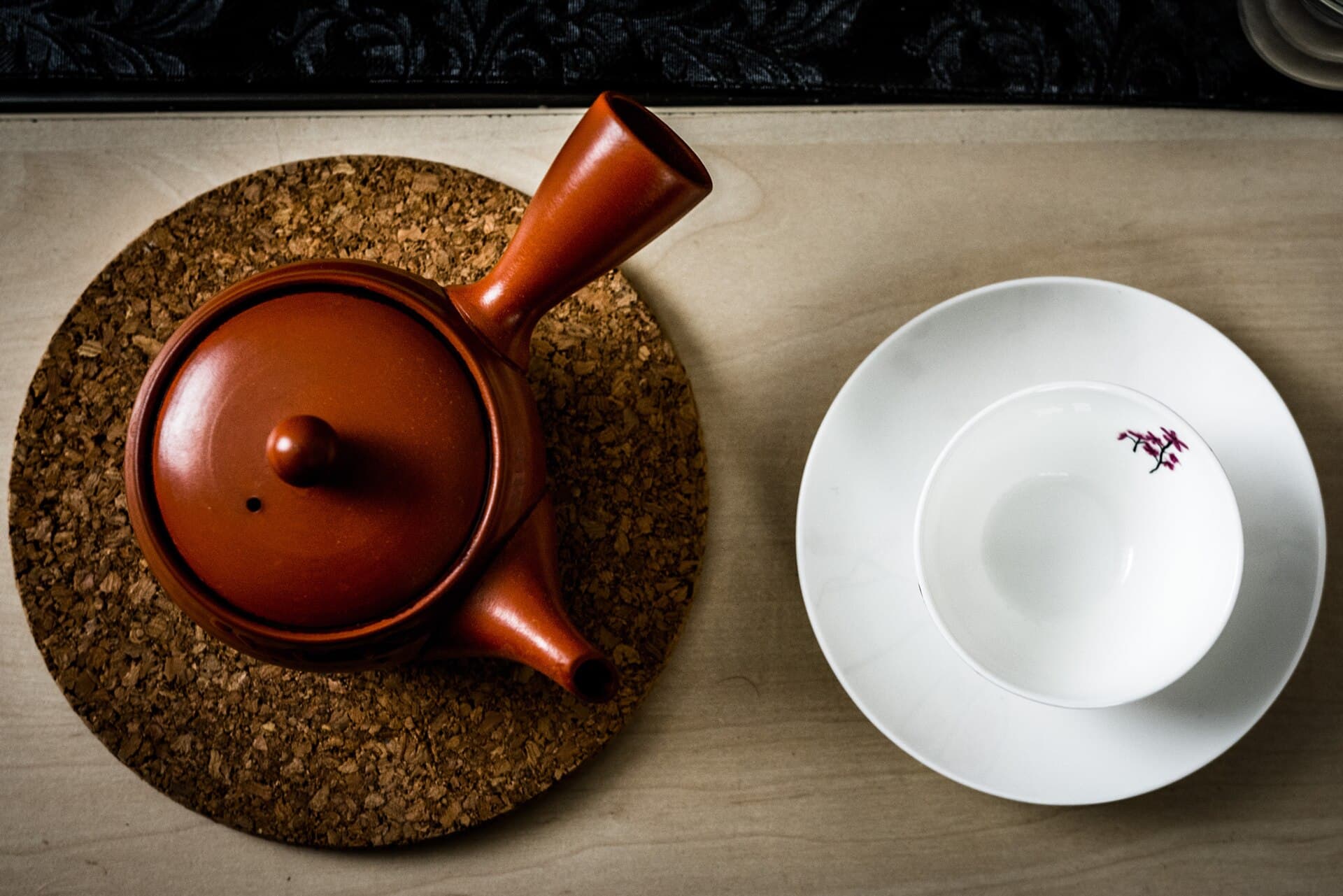
Photograph: Bernhard Hanakam / Wikimedia Commons · CC BY-SA 3.0. See image credits.

Still practices that change the day
Sitting, lying, tea, a closed door. Why doing less can raise energy even when it cannot cure a disease.
Priya Nadesan · 15 April 2026 · 6 min read
Stillness has a marketing problem. It arrives dressed as enlightenment, as productivity’s opposite, or as something you fail at when your mind wanders to the laundry. Strip the branding and still practices are simpler: you stop generating new motion long enough for the nervous system to notice it is not under attack. That noticing can change the next hour—sometimes the next sleep—without claiming to cure a disease.
This essay sits in the field hub beside breath work and outdoor time. It is for Australians who have been told to optimise every minute and feel oddly depleted by the effort. Stillness is not laziness. It is also not a miracle. It is a tool with limits worth naming.
What counts as a still practice
Meditation is the famous form: sit, attend to breath or body, return when distracted. So is lying on the floor without a podcast. So is tea done properly—pot, cup, no scrolling. So is ten minutes behind a closed door before re-entering family life. So is quiet prayer, contemplative rosary, or sitting on Country when that is your cultural frame.
Movement can be still in spirit: slow gardening, washing dishes with full attention, walking the same block without earbuds. The line is not “butt on cushion”; it is whether you are feeding the next stimulus or letting arousal settle.
Energy healers often still the room before hands-on work. Monastics still the day before bells. Hospital chaplains still their breath before entering a cubicle. The family resemblance is intentional pause, not shared metaphysics.
Felt energy: why less can feel like more
Colloquial energy often rises when background noise drops—not because a chakra opened, but because your attention budget stopped leaking. Muscles you held while “pushing through” release; heart rate may drift down; thoughts reorder without becoming empty.
That felt lift is real experience. It is not proof that stillness rewrote your pathology. Anaemia, thyroid disease, grief, and sleep apnoea still need proper care. Stillness may make it easier to seek that care and ** tolerate** treatment.
Doing less is not doing nothing. It is doing one thing with enough honesty that the body believes you.
Tradition and secular cousins
Buddhist samatha, Christian contemplation, Hindu dhyana, and Indigenous sit-and-know-Country practices carry ethics, community, and cosmology that secular apps often strip out. Respect the lineages; do not paste their authority onto a timer app that monetises streaks.
Secular mindfulness programmes borrow techniques and leave metaphysics optional. Evidence for MBSR-style training shows benefits for some people with stress, pain, and recurrent depression when taught well—not for everyone, not infinitely scalable, not a replacement for medication when medication is indicated.
When a stillness teacher sells guaranteed awakening or medical outcomes, move them from the cushion column to the wellness claims column.
What research tends to show—and omit
Studies on meditation and related practices report small to moderate effects on stress markers, pain unpleasantness, and sometimes sleep quality. Mechanisms plausibly include attention training, interoception, and autonomic shift—overlapping with breath essays in Breath, the vagus nerve and the felt sense of more energy.
Research also shows heterogeneity: some participants feel worse with stillness, especially with trauma history or harsh instruction to “empty the mind.” Negative trials get less Instagram airtime than glowing testimonials.
We do not invent trials on this site. We point you to systematic reviews through your clinician or library if you want numbers. Your n-of-one experiment—ten minutes daily for a fortnight, note sleep and irritability—counts as personal data, not peer review.
Stillness is not always medicine
If sitting triggers panic, dissociation, or racing heart, stop. Trauma-informed therapy, movement, relational presence, or structured pacing after illness may fit better. Recovery after illness and pacing—when we publish it in full—names why pushing stillness during post-viral fatigue can backfire.
Depression can look like “I cannot get off the couch.” That is not virtuous stillness; it is illness needing GP and psychologist support. Do not let a wellness culture shame you for struggling to start.
Introverts may recharge in quiet; extroverts may need people to feel alive. Still practices should fit temperament, not punish it.
Micro-practices for crowded Australian days
Before the household wakes: five minutes on the back floor, knees bent, phone in another room.
Lunch at the desk: forbidden if you can help it—eat one meal outside without reading.
School pickup: sit in the parked car two minutes with hands on thighs before opening the door—transition ritual.
FIFO and shift workers: stillness may be post-shift decompression, not pre-dawn heroics. Protect sleep first; see the sleep hub.
Caregivers: stillness might be watching tea steep while the patient sleeps—thirty seconds counts.
Classes, apps, and the noise they add
A guided class can teach posture and hold you accountable; it can also surround stillness with performance metrics—streaks, leaderboards, voices that treat wandering mind as failure. Apps help some people; others feel one more screen after a day of screens. Judge by whether you leave less hijacked, not whether you hit a hundred-day badge.
In-person groups vary: church silence, council mindfulness on a mat, studio meditation with a monthly fee. Ask whether the teacher allows questions about scope, mentions when to seek clinical care, and avoids fear stories about what happens if you stop buying levels. A good room feels quieter when you leave, not indebted.
If you already pay for energy sessions, you do not owe a subscription to stillness on top. The floor and the teapot are portable; proprietary silence is not.
Tea, door, floor: three templates
Tea: boil, pour, wait. Taste. No optimisation content. If the mind races, let it race without starting a new task.
Closed door: tell housemates you exist for ten minutes. Not abandonment—maintenance.
Floor: back on carpet, book under head if neck complains. Feel weight. This is not yoga performance.
Pick one template for a fortnight. Novelty is not virtue.
Stillness alongside energy healing
Some readers meet stillness only inside a healing session. That is valid. Ask whether the practitioner encourages daily micro-practice you can own without paying—good sign—or serial dependence—bad sign. Hands-on care that leaves you more capable alone differs from care that implies you are perpetually untuned.
Stillness does not prove a universal human energy field. It trains attention on inner signal. That training helps some people interpret sessions; it helps others realise they do not need sessions at all.
Vitality without hustle
The vitality hub joins food, movement, sleep, and field topics across the day. Stillness is the hinge where doing meets recovering. Hustle culture treats pause as theft; bodies treat pause as bookkeeping.
You may feel guilty sitting while laundry exists. The laundry will wait twelve minutes. If guilt dominates every pause, that is worth discussing with someone qualified—not with a stranger selling intensives.
When the day still does not change
If stillness never shifts your baseline—only deep sleep, medical treatment, or life change does—listen to that evidence. Stop buying cushions. Redirect effort toward sleep hygiene, labs, counselling, or job boundaries.
Chronic illness readers sometimes hear that stillness caused their symptoms because they “stored trauma in the body.” That sentence is too cheap for complex disease. Stillness may help you live alongside symptoms; it does not prove you imagined them. Pacing after infection—named in our recovery pacing piece—matters more than forcing silence when your body asks for horizontal rest.
Still practices change many days a little. They do not change every life equally. Honesty keeps trust alive between readers and this journal.
Closing
Sit, lie, tea, door. Stillness is one way to raise felt energy without miracle talk. It is not meditation-or-bust, not moral exam, not cure. Use it when it helps; leave it when it hurts.
Return to the field hub, pair with Breath, the vagus nerve and the felt sense of more energy, and follow Everyday Vitality when you are ready to wire stillness into a week that already asks too much.
Questions readers send the desk
- Is this just meditation?
- Meditation is one still practice. So is lying on the floor for ten minutes without a podcast.
- What if stillness makes me worse?
- Then do not force it. Walk, wash dishes, or sit with a person. Stillness is a tool, not a moral exam.