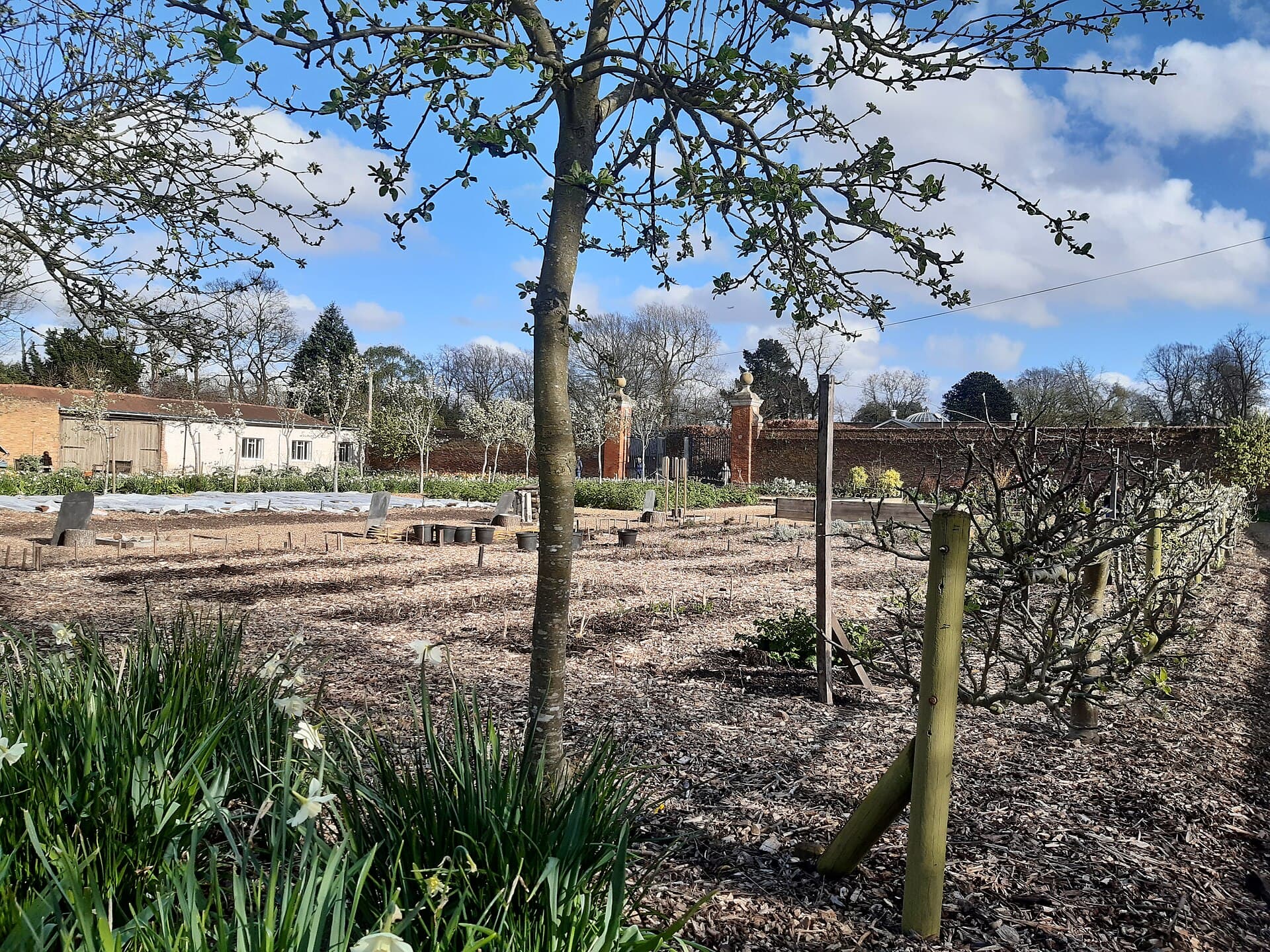
Photograph: Chiswick Chap / Wikimedia Commons · CC BY-SA 4.0. See image credits.

Grounding, gardens and the unfashionable case for time outdoors
Bare feet on a lawn will not cancel a blood test. A garden, a verge and ten minutes of sky still change a nervous system that has been indoors too long.
Tom Reilly · 2 May 2026 · 6 min read
Grounding sells mats. Gardens sell hope. Between the merchandise and the metaphor sits something older and plainer: human bodies evolved with sky, soil, and horizon, and many of us now live without enough of any of them. Time outdoors will not cancel a blood test or shrink a tumour. It can still shift a nervous system that has been indoors too long—felt as calm, colour, or the colloquial “energy” Australians mention when they come back from a walk “feeling human again.”
This essay belongs to the field hub because “grounding” and “earthing” appear in energy-healing talk as often as in horticulture clubs. We separate tradition and felt experience from product claims, and we point to evidence where it exists without inventing trials.
Earthing, grounding, and three different conversations
Electrical grounding in engineering means a safe path for current. Clinical grounding in psychology means orienting to the present during dissociation—feet, breath, name five things you see. Colloquial grounding means feeling steady, not floaty.
Earthing as a wellness brand claims health benefits from skin contact with the earth, often through paid mats wired to a pin. Some small studies measure inflammation markers or sleep; quality and independence vary, and bare lawn time gets mixed with device sales in marketing in ways that muddy causation.
Honest summary: being outside, moving gently, touching plants and soil, seeing green and blue correlates in population studies with better mood and activity levels. Disentangling exercise, light, social contact, microbiome exposure, and belief from any single “electron transfer” story is work for careful reviewers—not for a supplement label.
You do not need a mat to sit on a step and watch a magpie. That is not a failure of purity; it is Australian common sense.
Felt experience: what people report
People report warmth in the feet, shoulders dropping, less buzzing in the head after gardening, beach walking, or sitting on Country. Those reports are valid data about living. They do not automatically validate the most extravagant mechanism on a flyer.
Indoor life—air conditioning, screens, carpet, delivery food—can feel flat. Outdoor time often adds sensory richness: wind, bird sound, smell of rain on hot bitumen. The nervous system reads novelty and safety cues; arousal may fall without anyone mentioning qi.
Energy healers sometimes send clients to “ground in nature” after intense sessions. Even sceptics can accept the prescription as parasympathetic opportunity plus ritual closure, without accepting every diagram of roots from feet to earth core.
Gardens: labour, patience, and unfashionable virtue
A kitchen garden—herbs in pots, tomatoes staked beside the shed—asks you to wait. You cannot hustle a zucchini. That pacing contradicts the same-day delivery economy and teaches a body rhythm some people call grounded energy.
Community gardens in suburbs and regional towns add social fabric: neighbours who share cuttings and watch each other’s plots while someone is in hospital. The health story is not only chlorophyll; it is belonging.
For renters, portable pots and verge policies (check council rules) beat waiting for a quarter-acre. For apartment dwellers, balcony natives and one punnet of basil still count.
A garden is a slow conversation with limits. You water; you also lose seedlings to heat. That is not a metaphor for moral failure—it is weather.
Time outdoors without a garden
Not everyone can garden. Park bench, coastal path, footy oval at dusk, ten minutes on a smoke-free break with eyes on trees—the lever is outside + attention, not ownership.
Shinrin-yoku (“forest bathing”) popularised guided slow walking in green space. Trials show stress marker changes in some groups; the active ingredient may be attention and slow movement as much as terpenes. You can walk your street trees without a trademarked guide if safety allows.
FIFO camps and fly-in sites may offer little green; even sky viewing and post-shift walk around the perimeter beat another hour of ceiling tiles. Pair with sleep and shift resources when rostered life steals daylight.
Light, circadian rhythm, and southern winters
Outdoor time delivers photons that indoor lamps mimic poorly. Morning light anchors clock; evening sky signals wind-down. Southern winters steal daylight from office workers; a lunch walk is circadian hygiene, not wellness performance. Connect to Winter energy in a southern climate when grey weeks flatten mood.
Energy language sometimes calls sunlight “cleaning the field.” Poetic, not diagnostic. Still take the walk.
Australia-specific hazards (not optional footnotes)
This country bites, burns, and floods.
UV: slip, slop, slap, slide, shade—still the national rhyme. Bare feet on hot pavement cause burns; midday garden work without hat invites skin cancer.
Heat: hydrate, rest, know heatstroke signs. Outdoor “grounding” in forty-degree dry heat is danger, not devotion.
Snakes and spiders: shoes when you cannot see ground cover; torch at dusk; teach kids not to reach into hollows. Bare-foot purity cults ignore how many Australians live.
Smoke and pollen: asthma plans beat heroic outdoor meditation on high-pollution days.
Skin infections: soil and cuts meet; wash hands, tetanus current.
Safety is part of practice, not betrayal of earthing doctrine.
Products, patches, and what to skip
Earthing sheets, grounding shoes, negative-ion pendants—check whether evidence is in-house, tiny, or ** unrelated to your condition**. If the sales page cures everything, see How to read wellness claims.
Money better spent: sturdy hat, community garden fee, bus fare to a national park, native plant for a pot.
Grounding practices that cost nothing
Five senses drill outdoors: name what you see, hear, feel, smell; skip taste unless you packed lunch.
Shoes off on safe grass thirty seconds if you enjoy it; keep shoes if you do not.
Hand in soil while repotting—tactile calm without metaphysics.
Sit on ground supported by a wall if knees complain.
Watch cloud until one breath lengthens—overlap with breath work in Breath, the vagus nerve and the felt sense of more energy.
Tradition and Country
For Aboriginal and Torres Strait Islander peoples, connection to Country is law, spirituality, and health in ways settler “grounding trends” often flatten. Non-Indigenous readers should not paste smudging or walkabout language onto a weekend hobby. Learn locally, pay respect, support Indigenous-led land care where invited.
Energy Field writes from a settler-founded site with a founder’s decades in healing arts; humility about whose ground we stand on belongs in any honest outdoor essay on this continent.
When outdoors is not enough
Major depression, vitamin D deficiency, chronic pain, and social isolation need clinical and community responses beyond a verge tomato. Outdoor time adjuncts care; it does not replace it.
If you cannot leave the house, window sky, indoor plants, and recorded bird audio are partial—not pathetic—substitutes until mobility or safety improves.
A week-long experiment
Choose one: ten minutes outside after waking, or three five-minute “doorway breaths” on the step at lunch, or one hour Saturday in a public garden without headphones.
Note sleep onset, irritability, pain attention—not aura colour. Stop after two weeks and read your notes like a sceptic who wants to be surprised.
Personal practice that survives roster hell
Shift workers and parents rotate through A personal energy practice that survives the week when we treat routine as engineering, not guilt. Outdoors slots into roster, not idealised dawn yoga.
Link field work to Everyday Vitality when food, sleep, and movement need the same realistic framing.
Closing
Bare feet on a lawn will not cancel pathology. A garden, a verge, ten minutes of sky still meet a body that screens and carpet starve. Skip the mat invoice when you can; keep the hat; watch for snakes; let stillness find you on a step with tea if that is what Tuesday allows.
Return to the field hub, read Still practices that change the day when outdoors is too much and the floor will do, and hold us to editorial standards if we ever confuse a feeling with a fact.
Questions readers send the desk
- Does earthing need a product?
- No. The useful part is usually being outside, moving slowly, and looking at something living.
- What about snakes, heat and UV?
- This is Australia. Shoes, shade, water and sun sense are part of the practice, not a failure of purity.